


Discover
Our more Services
- Psychology and Emotional Support
- Holistic Support
- Hysteroscopy in Dubai
- IUI – Intrauterine Insemination in Dubai
- IVF & ICSI Treatment in Dubai
- Natural Cycle IVF in Dubai
- Lab Technology & Techniques
- Laparoscopy in Dubai
- Psychology and Emotional Support
- Holistic Support
- Hysteroscopy in Dubai
- IUI – Intrauterine Insemination in Dubai
- IVF & ICSI Treatment in Dubai
- Fertility Preservation
- Fertility Nutrition Dubai
- Female Infertility
- IVF and Gender Selection
- Genetic Testing in Pregnancy
- Obstetrics & Gynecology Clinic
- Male Infertility
Call Us? Share it with the world.
 +971 50 555 1964
 drmazen@besttivf.ae
 Dubai UAE
What Is a Hysteroscopy?
It is like having a camera tour inside the uterus. A tiny lighted tube called hysteroscope is inserted via the vagina and cervix without any cuts or sutures. All these procedures can be watched on a screen by the doctor; he will be looking at the walls of the uterus, its shape, and two holes through which the fallopian tubes pass.
So why is this diagnostic procedure so valuable? In many cases, this method not only reveals but also resolves the problem. That is why it is commonly applied to women suffering from infertility or unexplained abnormal bleeding or miscarriages.
How Does the Hysteroscopy Procedure Work?
Fortunately, most women can go home the same day. It is a day-case procedure right from the beginning. Based on why the test is being done, your doctor will opt for either general anesthesia, local anesthesia, or light sedation and this will be explained prior to the procedure.
The following is a quick look at how the process unfolds:
- Positioning of the patient similar to any other gynecological examination.
- Hysteroscope is inserted via vagina and cervix, up to the uterus.
- A sterile solution/gas is instilled to distend the uterus in order to gain clear visibility.
- Camera relays the visuals of the procedure onto a monitor.
- If something needs treating, small instruments go in through the same hysteroscope to take a tissue sample or handle the issue right there.
Depending on whether it’s just diagnostic or also involves treatment, the whole thing takes anywhere from 15 to 30 minutes. Afterward, some cramping is normal, nothing worse than a bad period usually, and it fades within a day or two. Most women are back to their normal routine the next day.
Diagnostic Hysteroscopy vs Operative Hysteroscopy
Patients often ask what the difference is, so here’s the short version.
- Diagnostic hysteroscopy is just about looking and checking. The point is to see whether something inside the uterus is affecting health or fertility. Nothing gets treated on this visit, though the doctor might take a small tissue sample to send off for testing.
- Operative hysteroscopy takes it further. If something turns up, a polyp, a fibroid, some scar tissue, it can often be removed or corrected right then and there, using tiny tools passed through the same hysteroscope. That means many women leave having been diagnosed and treated in one visit, without needing a separate trip to the operating room.
Why Is Hysteroscopy Done?
There isn’t just one reason doctors order this test. It comes up a lot when a woman is struggling to conceive, but also when something just doesn’t feel right. Some of the more common reasons it gets recommended:
- To check if the shape or size of the uterus is getting in the way of a pregnancy
- To find and remove small fibroids or polyps
- To look at where the fallopian tubes connect and clear out mild blockages
- To figure out what’s behind heavy, painful, or unusual bleeding
- To dig into the cause of repeated miscarriages
- To remove scar tissue that could be blocking implantation
- To check the uterine lining for hyperplasia or other changes
- To find and remove a misplaced IUD
- To take a biopsy for the lab
Once results are ready, the specialists at Best Life Fertility go through them properly with the patient, no rushed five-minute chat, and build a plan around what’s actually going on.
Hysteroscopy for Infertility
In most cases, the problem that prevents conception starts with the uterus. While it might seem to be alright at first, especially since all the hormone levels and egg quality will be in check, some issues may exist within the uterus itself that will not allow the embryo to implant properly. This is why the use of hysteroscopy infertility procedure is so common prior to IVF, IUI, and even natural conception attempts.
There, the specialists will check whether there is any scarring, polyps, fibroids, or unusual shape of the uterus that might prevent successful implantation. In combination with the semen analysis done of the male partner, the cause of the problem will be found with much greater precision. Furthermore, the chances for successful conception will increase after even the smallest correction made with the help of the procedure.
Hysteroscopy for infertility procedure is usually performed together with the IVF and ICSI procedures used in Dr. Mazen IVF clinic.
What to Expect Before and After the Procedure
- Some light spotting or discharge for a few days
- Mild cramping, nothing beyond what a period usually feels like
- A short rest before being cleared to head home
Hysteroscopy Cost Dubai
Honestly, the hysteroscopy cost Dubai clinics quote can swing quite a bit, depending on whether it’s a diagnostic or operative procedure, the type of anesthesia involved, and whether anything extra gets treated on the same visit. We keep pricing upfront, no surprise line items later. After a consultation, once the specific case is understood, the team shares the actual figure, so patients aren’t left guessing before deciding to go ahead.
Why Choose Dr. Mazen for Hysteroscopy in Dubai?
Dr. Mazen Dayeh brings over 20 years of hands-on experience in fertility
and gynecological care, working from a JCI and EIAC accredited
facility. A few things that set his approach apart:
- Dr. Mazen personally performs hysteroscopy regularly, not occasionally
- Modern equipment built for accurate diagnosis and safe treatment
- Same-day procedures with very little downtime
- Hysteroscopy integrated into IVF, ICSI, or other fertility treatment
when needed - A patient-first approach, where every result and next step actually
gets explained, not just handed over - Ongoing support for patients from Dubai, Sharjah, and across the UAE,
plus international patients who travel in for care
Any procedure involving the uterus can feel a little unnerving,
especially on top of everything else that comes with trying to conceive.
— Hysteroscopy Services
Frequently Asked Questions
Is hysteroscopy painful?
How long does a hysteroscopy take?
Can hysteroscopy help with getting pregnant?
When can conception be attempted again after a hysteroscopy?
Is an overnight stay needed for a hysteroscopy?
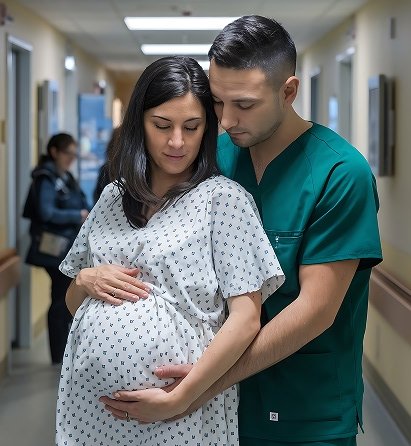
For anyone with questions about their own situation, the best next step is a consultation with the fertility specialists at Dr. Mazen IVF Clinic, where real answers about uterine health are just a conversation away.

