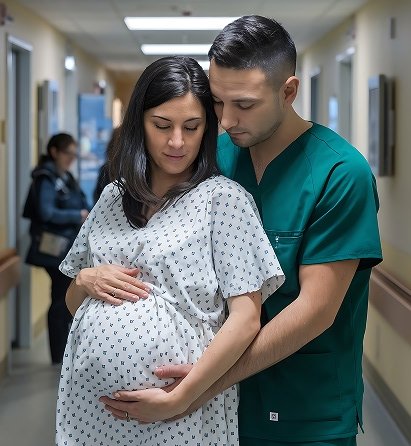

When your child is sick with something like leukemia, you’ll do anything to help them. Anything. Sometimes the answer isn’t a new medicine or another round of chemo. It’s a perfect match from a brother or sister who hasn’t been born yet. That’s what HLA matching IVF in Dubai makes possible, and for many families, it’s the first real hope they’ve had in a long time.
At Dr. Mazen IVF Clinic, we help parents conceive a baby who is healthy and also a genetic match for their older, sick child. Once born, that baby can donate stem cells from the umbilical cord, and later bone marrow if needed, to help save their sibling’s life. People call this saviour sibling selection. It’s not a service we take lightly, and honestly, it’s one of the most meaningful things we do here.
What HLA Matching Actually Means
HLA stands for Human Leukocyte Antigen. You can think of it as a kind of tag your body carries on almost every cell, one that tells the immune system “this belongs here.” Doctors check this tag before any bone marrow or stem cell transplant, because if the tag doesn’t match closely enough, the body will reject the donated cells.
Here’s the hard part for a lot of families: when a sick child needs a transplant, the first place doctors look is siblings and parents. Often, nobody matches. Public donor registries help, but not always, especially if your family comes from a smaller or less represented ethnic background. That leaves parents stuck, watching the clock, hoping a stranger somewhere shows up as a match. HLA matching embryo selection through IVF gives families another option instead of just waiting.
Understanding Male Infertility
Male infertility means that a man has difficulty causing a pregnancy, even when he and his partner have been trying regularly for more than a year. In simple words, this usually happens when there is a problem with the sperm.
Sperm may be too few in number, too weak to move properly, or shaped abnormally. Sometimes, the problem may also be related to hormones, infections, or physical blockages in the reproductive system. However, this is not the end. With the right fertility doctor by your side, most men facing fertility problems can become a father. They just need proper diagnosis and male infertility treatment plan tailored for them.
How the Process Works, Step by Step
- IVF starts as usual. Eggs are collected from the mother and fertilised with the father’s sperm in the lab.
- Embryos are given time to grow. They’re left to develop for about five to six days.
- A few cells are carefully removed. Just a handful of cells are taken from each embryo for testing. It doesn’t harm how the embryo continues to grow.
- The lab runs HLA typing on the embryo. Each embryo’s HLA type is checked against the sick sibling’s. If the family is also dealing with a known genetic disease, that gets tested for at the same time.
- Only one kind of embryo moves forward. The embryo that’s both disease-free and a full HLA match is the one transferred into the mother’s womb.
- After birth, the cord blood is collected. That stem cell rich blood, which would normally just be discarded, gets stored and can be used right away. If more cells are needed down the line, bone marrow donation becomes possible once the child is older.
Worth saying plainly: this takes patience. Statistically, only around one in four embryos will be a full match, so some families need more than one IVF cycle before they get a healthy, matching embryo. We won’t sugarcoat that part. Dr. Mazen Dayeh will walk you through the real numbers so you know what to expect going in, not after.
Why Families Choose Dr. Mazen for This
Dr. Mazen has spent years treating families dealing with genetic disorders and blood diseases, and he understands what it’s like when a routine embryo transfer just isn’t enough, when the stakes are a child’s life, not just a pregnancy. He’s guided a good number of couples through exactly this kind of complex, high-pressure case.
What sets him apart isn’t just the technical skill. It’s how he explains things. No confusing jargon, no rushed appointments. Before treatment even begins, he sits down with parents, lays out the odds honestly, and builds a plan that actually fits their situation instead of a one-size-fits-all protocol. When your child’s health is on the line that kind of straight talk matters as much as the medicine does.
Behind the scenes, our clinic partners with genetics laboratories that perform precise HLA typing on embryos, using methods in line with what leading fertility centers across the region rely on. Every result that reaches you has gone through strict lab checks first.



Who This Treatment Is Usually For
HLA matching for a leukemia sibling, or for other serious blood conditions, tends to come up for families dealing with:
- Leukemia or other blood cancers
- Thalassemia
- Fanconi anemia
- Sickle cell disease
- Other conditions where a stem cell or bone marrow transplant is the recommended cure
Thinking It Through
Every family comes to this decision differently. Some parents wonder, quietly, if it’s fair to a new baby to be conceived this way. That’s a completely normal thing to sit with. What matters is that the goal of this treatment is always a healthy baby first. Helping a sibling is something that happens because of that healthy birth, not the whole reason for it. Our counselling team is here to talk through those concerns with you, on your timeline, without any pressure to move faster than you’re ready for.
We also stay in close contact with hematologists and pediatric specialists throughout, so your sick child’s ongoing treatment and the fertility journey stay on the same page. Nothing falls through the cracks, and both children get looked after properly.
Talk to Dr. Mazen IVF Clinic
— HLA Matching Services
Frequently Asked Questions
What exactly is a saviour sibling?
It’s a baby conceived through IVF and specifically selected because they’re a genetic match for an older sibling who’s sick. After birth, the baby’s cord blood, and sometimes bone marrow later on, can be used to treat that sibling.
Does testing the embryo for HLA type damage it in any way?
How many IVF cycles does HLA matching usually take?
Can the embryo be checked for a genetic disease and HLA match together?
Is this treatment allowed in Dubai?