


Finding out that you have inherited a genetically transmitted disease is not an easy news to receive. Moreover, when you are about to give birth, it brings another concern that usually surprises many couples. Will my child be affected as well? Can there be any way to learn whether he will have the disease before birth? They are natural concerns that we encounter often at our practice.
That is precisely what Pre-Implantation Genetic Diagnosis or PGD was created for.
At Dr. Mazen IVF Clinic, we offer PGD in Dubai. Couples want answers before they commit to a pregnancy. Dr. Mazen Dayeh has spent over 20 years working in IVF and genetic screening, and he’s guided plenty of families through this exact situation. He looks at every case himself before deciding on a plan, because no two families carry the same story.
So what actually is PGD?
PGD is a test run on embryos, done before one is even placed into the womb. It checks whether that embryo is carrying a specific genetic disease that’s already known to run in the family.
It’s not a general checkup on the embryo’s overall health. It’s targeted. If you and your partner know you carry a particular gene mutation, PGD looks for that exact thing. Once we know which embryos are free of it, those are the ones we choose to transfer.
Here’s the part many people don’t realise: PGD doesn’t turn your IVF journey into something longer or more complicated. It’s built into a regular PGD IVF cycle. No extra hospital visits, no separate procedure tacked on somewhere. Just one more careful step in a process you’re already going through.
Is PGD something you should be thinking about?
- You or your partner are known carriers of a genetic mutation
- Something like thalassemia, cystic fibrosis, sickle cell anemia, or spinal muscular atrophy runs in your family
- You’ve been through the loss of a pregnancy or a child because of a genetic condition
- A previous IVF cycle failed and there’s a suspicion it could be genetic
- You’re hoping for a sibling who could be a stem cell match for a child already living with a genetic illness
If any of that sounds familiar, screening for hereditary diseases through PGD can give you real clarity before you take the next step. Genetic testing in pregnancy can also help identify certain genetic conditions before birth, depending on the specific circumstances and type of testing available.
How does it actually work, step by step?
First comes the conversation. Dr. Mazen and our genetic counselling team sit down with you, go through your family history, and if there’s a known mutation, we build a test specifically around it. This step matters more than people realise, since it shapes everything that follows.
From there, it looks a lot like a standard IVF cycle. The ovaries are stimulated with medication, eggs are collected, and fertilisation happens in the lab, usually through ICSI.
The embryos are then left to grow for around five to six days, until they reach what’s called the blastocyst stage. At this point they’re developed enough that a small biopsy can be taken safely, without harming them.
A few cells are gently removed and sent off for genetic testing, while the embryos themselves are frozen and kept waiting. Testing usually takes a few days.
Once the results come back, we know exactly which embryos are clear of the condition being screened for. Only those go forward for transfer.
Start to finish, most couples are looking at somewhere between two to three weeks, roughly the same as a regular IVF timeline. So the wait isn’t dramatically longer, just a bit more precise.
Why do couples choose Dr. Mazen IVF Clinic for this?
This isn’t a small decision, and we get that. You want to know the person handling something this sensitive actually knows what they’re doing, and cares.
Dr. Mazen has built real depth of experience in reproductive medicine and genetic screening over the years. He doesn’t hand you a standard package and send you on your way. He goes through your family history personally, asks the right questions, and only then talks you through what makes sense for your case.
Behind the scenes, our lab is equipped with modern technology, and our embryologists handle every biopsy with a level of care that honestly can’t be rushed. We also make sure genetic counselling isn’t just a box we tick at the start. You’ll have support understanding your results too, not just before the process begins.
Every family’s situation looks different. Whether you’re dealing with a single-gene disorder or something more related to chromosome structure, Dr. Mazen will walk you through exactly what PGD can offer in your specific case, and just as importantly, what it can’t.

Conditions PGD can help screen for
PGD is commonly used for inherited conditions such as:
- Thalassemia
- Cystic Fibrosis
- Sickle Cell Anemia
- Spinal Muscular Atrophy
- Tay-Sachs Disease
- Certain chromosomal
- rearrangements that tend to run in families
Not sure if your particular condition falls into this category? That’s a completely normal question, and it’s best answered after our team reviews your medical and family history directly.
Quick one: is PGD the same thing as PGT?
You’ll probably run into the term PGT while you’re researching this online. Good question, and one worth clearing up. PGT stands for Pre-Implantation Genetic Testing, and it’s actually the broader umbrella term. PGD sits under it, specifically used when a known genetic disease already runs in the family, while PGT more generally covers chromosome number screening too. Dr. Mazen can explain exactly which one applies to your situation once he understands your background.
— IVF Fertility Services
Frequently asked questions
Does PGD guarantee a completely healthy baby?
Will the embryo biopsy damage the embryo?
How long does it take to get PGD results?
Genetic testing usually takes a few days. During that time, your embryos are frozen and kept safe, so there’s no rush and nothing is lost by waiting for accurate results.
Is PGD painful or does it add extra appointments to my IVF cycle?
Not really. PGD is built into your existing IVF cycle, so you’re not looking at extra clinic visits or a separate procedure. The main addition is the embryo biopsy and the wait for lab results, which happens while your embryos are safely frozen.
Can PGD be used for gender selection as well?
In some cases, yes, PGD-related testing can identify the gender of embryos alongside screening for a genetic condition. This is only offered within UAE regulations, so it’s best to discuss your specific situation and options directly with Dr. Mazen during your consultation.
Let's talk it through
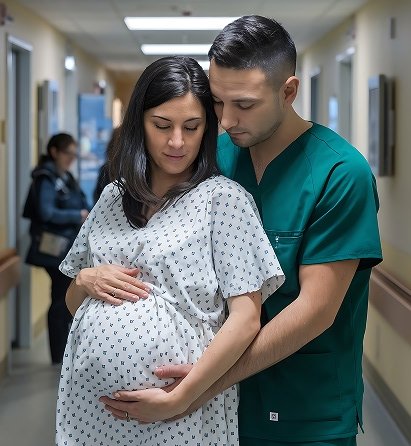
If a genetic condition runs in your family and you’re thinking about starting or growing your family, it’s worth having this conversation early, before treatment even begins. Dr. Mazen and the team at Dr. Mazen IVF Clinic are here to answer whatever questions you’ve got, explain things in a way that actually makes sense, and stay with you through every stage of your PGD IVF journey in Dubai.
Reach out to us and book a consultation. It’s a good first step toward a pregnancy you can feel confident about.

