Open

Author Archives: Dr. Mazen Dayeh

Author: Dr. Mazen Dayeh

Dr. Muhammad Mazen Dayeh is a top fertility expert. He completed his Primary Medical Qualification (PMQ) from Saint Petersburg I.P. Pavlov State Medical University in Russia and acquired his specialty training and Ph.D. at Russian Academy for Medical Sciences. He is considered a Consultant of both OB/GYN and Reproductive Endocrinology/Infertility. His special interests lie both in male and female infertility, Reproductive Immunology, and Recurrent Implantation Failures. He is recognized for his expertise in treating and evaluating infertility and recurrent pregnancy losses, IVF, and laparoscopic surgical techniques. Currently, he is performing over 600 IVF cycles per year.

Factors That Affect IVF Success

Factors That Affect IVF Success in Dubai

IVF stands for In Vitro Fertilisation, and it is a promising method for couples who experience difficulties with pregnancy. Many people from Dubai prefer to use IVF due to the high medical care and competent medical staff. However, IVF does not consistently provide the same level of successful results for all individuals. Some succeed with the first attempt and those who need more time.

Knowing the Factors Affecting the Success of IVF will enable you to prepare better and deal with the stresses associated with preparing. Information about the aspects highlighted in the blog article is detailed and is written in simple terms that can be understood by anyone.

Age of the Woman

The age factor is one of the most significant factors in IVF. Women are born with a certain number of eggs in their bodies. With increasing age, the number and quality of eggs diminish.

  • Women below the age of 35 tend to have greater success rates
  • Thirty-five to forty years of age, the rate of success gradually declines
  • Age 40 and beyond: IVF becomes difficult

It doesn’t mean that IVF won’t work after the age of 40, but perhaps more cycles or extra attention would be required.

Egg and Sperm Quality

Creating healthy embryos requires good-quality oocytes and sperm. Poor egg quality can affect success, even for a young woman. The same thing applies to the health of sperm.

Things that affect egg and sperm quality include:

  • Smoking
  • Alcohol use
  • Poor diet
  • Stress
  • Various forms of illness

Doctors usually check both partners for it before starting IVF to understand this factor clearly.

Lifestyle and Daily Habits

Your daily routine has an important place in the success rate of IVF. Healthy living habits help increase your chances.

Useful habits are:

  • Consuming fresh fruits and vegetables
  • Consuming enough water
  • Sleeping well
  • Light exercise activity, such as walking/yoga

Habits to avoid:

  • Smoking
  • Excess caffeine
  • Alcohol
  • Junk food

Many couples are surprised to learn the degree to which lifestyle impacts fertility.

Medical History and Health Conditions

Some health concerns could affect the chances of successful IVF treatment. These are:

Men can also suffer conditions that affect sperm number or function. Underlying conditions can be effectively treated before IVF to improve success.

Uterine Health

The uterus is where the embryo grows. If the uterus is not healthy, implantation may fail.

Problems that affect uterine health:

  • Fibroids
  • Polyps
  • Thin uterine lining
  • Past infections

Doctors usually do scans and tests to make sure the uterus is ready before embryo transfer.

Quality of the IVF Lab

Very few people give much thought to the IVF lab, and it actually plays an important part. The embryos are grown in the IVF lab for a few days and require the appropriate temperature, air, and handling.

Dubai has a number of modern fertility labs that use advanced technology. Modern technology can improve the development of a healthy embryo.

Doctor’s Experience and Treatment Plan

Every couple is different. A good doctor does not follow the same plan for everyone. They study:

  • Age
  • Medical history
  • Hormone levels
  • Previous IVF attempts

Then they create a treatment plan that suits the couple. Clinics like Dr Mazen IVF Clinic focus on personalised care, which helps improve outcomes.

Emotional Health and Stress

IVF is emotionally exhausting. The levels of stress and anxiety could alter the levels of hormones and degrade one’s health in general.

How to handle stress:

  • Be open about it with your partner
  • Practice breathing or meditation
  • Seek counselling if necessary

A peaceful and optimistic attitude does not provide guarantees of success, but it strengthens the body and mind during treatment.

Number of IVF Attempts

Not everyone gets it right the first time. This is normal, and some couples get it right with the second or third cycle.

Every cycle provides doctors with more information. They can modify medicines, timing, or techniques to improve results next time.

Patience is really required for such a journey.

Legal and Cultural Environment in Dubai

One of the unique Factors That Affect IVF Success in Dubai is the regulated medical system. Dubai follows clear medical laws, ethical practices, and strict standards.

This ensures:

  • Safe treatment
  • High-quality care
  • Transparency in procedures

Couples can feel more confident knowing they are receiving treatment in a well-regulated environment.

ALSO Read: Legal Aspects of IVF in Dubai: Rules Patients Must Know

Nutrition and Supplements

Doctors may suggest certain vitamins or supplements before and during IVF, such as:

  • Folic acid
  • Vitamin D
  • Iron

Eating a healthy diet will help prepare your body for pregnancy. Avoid self-medication.

Support System

Having friends or family who are supportive of the IVF process would be extremely helpful to you. Sometimes the IVF experience can be quite isolating. It would be reassuring to know you are understood by someone.

Also, some couples have found support group meetings helpful for dealing with their experiences and coping with the loneliness that they encounter because.

ALSO Read: Step-by-Step IVF Procedure in Dubai: From Consultation to Embryo Transfer

Choosing the Right Clinic

The clinic you choose matters a lot. Look for:

  • Experienced doctors
  • Modern facilities
  • Clear communication
  • Honest success rate discussions

Dr Mazen IVF Clinic in Dubai is known for patient-focused care and advanced fertility treatment, helping couples feel supported throughout their journey.

Final Thoughts

IVF is an experience full of hope, patience, and courage. There is never one particular reason for the success and failure of IVF. It is always a compilation of many factors.

So, if you are planning to undergo IVF, take your time, research, and pick an IVF clinic that understands your requirements. Every step is important, and every journey will be different.
 

How Hormonal Disorders Affect Fertility (Thyroid Problems, Prolactin Imbalance, and Brain Hormone Issues)

How Hormonal Disorders Affect Fertility (Thyroid Problems, Prolactin Imbalance, and Brain Hormone Issues)

Trying to get pregnant can be an emotional journey. Many couples do everything right and still struggle to conceive. One common reason is hormonal imbalance. Hormones control almost every part of the reproductive system. If even one hormone is out of balance, fertility can be affected.

At Dr. Mazen IVF Clinic, we often see patients who are surprised to learn that hormone problems are the real reason behind their fertility issues. The good news is that most hormonal disorders can be treated once they are properly diagnosed.

In this blog, we will explain how thyroid problems, prolactin imbalance, and hypothalamus or pituitary dysfunction can affect fertility. Everything is explained in simple language so it is easy to understand.

Why Hormones Matter for Fertility

Hormones act like messengers in the body. They travel through the blood and tell organs what to do and when to do it. For fertility, hormones help control ovulation in women and sperm production in men.

If hormone signals are weak, delayed, or blocked, the reproductive system does not work properly. Periods may become irregular, ovulation may stop, or sperm quality may reduce. Many people live with hormonal problems for years without knowing it.

Thyroid Disorders and Fertility

The thyroid gland is a small gland located in the neck. It controls how fast or slow the body works. This includes heart rate, digestion, energy levels, and also reproductive health.

There are two main types of thyroid problems.

Underactive Thyroid

An underactive thyroid means the gland does not produce enough hormones. This condition is called hypothyroidism.

In women, this can cause delayed periods, very heavy periods, or missed periods. Ovulation may not happen regularly, which makes pregnancy difficult. Some women may ovulate only a few times a year.

Hypothyroidism also increases the risk of miscarriage in early pregnancy. Even if conception happens, hormone imbalance can affect the growth of the pregnancy.

In men, low thyroid levels can reduce sperm count and affect sperm movement. This lowers the chances of fertilization.

Overactive Thyroid

An overactive thyroid produces too many hormones. This condition is called hyperthyroidism.

Women with an overactive thyroid may have very light periods or no periods at all. Ovulation may be irregular, and egg quality may be affected.

Men may also experience reduced sperm quality and low testosterone levels.

Treatment

Thyroid disorders are diagnosed using simple blood tests. Once treated with medication, hormone levels usually return to normal. Many couples are able to conceive naturally after thyroid levels are balanced.

At Dr. Mazen IVF Clinic, thyroid testing is often one of the first steps during fertility evaluation.

Prolactin Imbalance and Fertility

Prolactin is a hormone produced by the pituitary gland in the brain. It helps with milk production after childbirth. But when prolactin levels are high at the wrong time, fertility problems can occur.

High prolactin levels can stop ovulation. When ovulation does not happen, pregnancy cannot occur.

Some women may notice irregular periods or no periods at all. Others may see milky discharge from the breasts even when they are not pregnant or breastfeeding.

In men, high prolactin can lower testosterone levels. This can reduce sperm count, lower sexual desire, and cause erection problems.

Causes of High Prolactin

Prolactin levels may rise due to stress, certain medicines, thyroid problems, or small growths in the pituitary gland. These growths are usually non cancerous and treatable.

Treatment

A blood test can easily check prolactin levels. In most cases, medication is enough to bring prolactin back to normal. Once levels are controlled, ovulation and sperm production often improve.

This makes prolactin imbalance one of the most treatable fertility related hormonal issues.

Hypothalamus and Pituitary Dysfunction

The hypothalamus and pituitary gland are located in the brain. They control many important hormones, including those related to reproduction.

The hypothalamus sends signals to the pituitary gland. The pituitary then releases hormones like FSH and LH. These hormones help women produce eggs and help men produce sperm.

If this system is disturbed, fertility can be affected.

Effects in Women

Women may stop getting periods or may get them very rarely. Eggs may not mature properly, and ovulation may not happen. This condition is sometimes called hypothalamic amenorrhea.

Stress, sudden weight loss, excessive exercise, or emotional trauma can disrupt these brain signals.

Effects in Men

Men may experience low testosterone levels and poor sperm production. This can reduce fertility and sexual health.

Causes

This dysfunction may happen due to genetic conditions, brain injury, tumors, severe stress, or long term illness.

Treatment

Doctors use blood tests and imaging scans to diagnose the problem. Treatment may include hormone therapy or fertility medications. In some cases, assisted reproductive techniques like IVF are recommended.

At Dr. Mazen IVF Clinic, advanced fertility treatments help overcomes these challenges effectively.

When Should You Seek Help

If you have been trying to conceive for one year without success, it is time to consult a fertility specialist. If the woman is above 35 years, seeking help after six months is advised.

Symptoms like irregular periods, missed periods, sudden weight changes, hair thinning, fatigue, or low libido may point toward hormonal problems.

Early testing can save time and emotional stress.

How Dr. Mazen IVF Clinic Can Help

At Dr. Mazen IVF Clinic, we focus on finding the root cause of infertility. Hormonal testing is done carefully and explained clearly to patients.

Each treatment plan is personalized. Some patients only need medication. Others may need fertility support like ovulation induction or IVF.

The clinic provides emotional support along with medical care because fertility treatment is not just physical. It is emotional too.

Final Thoughts

Hormonal disorders are a common cause of infertility, but they are often misunderstood. Thyroid issues, prolactin imbalance, and hypothalamus or pituitary dysfunction can silently affect reproductive health.

The positive news is that most hormonal fertility problems can be treated successfully. With proper diagnosis, timely treatment, and expert care, many couples go on to have healthy pregnancies.

If you feel something is not right with your body or your fertility journey feels stuck, do not ignore it. Help is available.

Dr. Mazen IVF Clinic is committed to guiding you with care, honesty, and advanced fertility solutions. Taking the first step can bring you closer to your dream of parenthood.

Next Read:

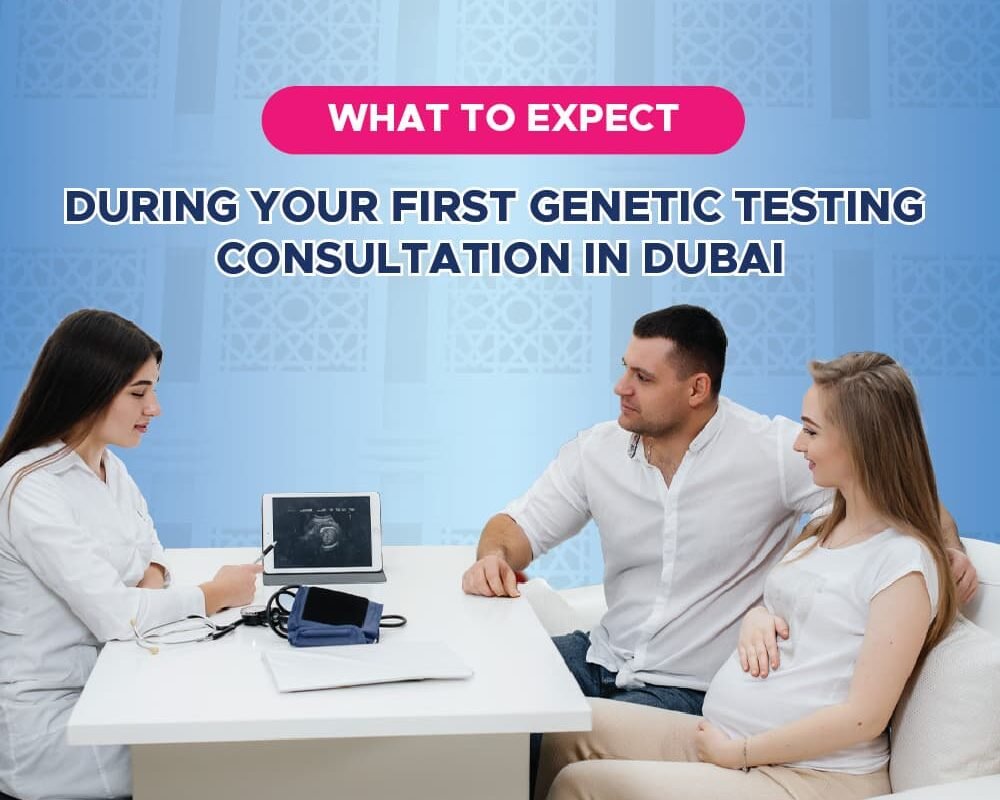
What to Expect During Your First Genetic Testing Consultation

What to Expect During Your First Genetic Testing Consultation in Dubai

Many people in the UAE are becoming more aware of the importance of genetic testing. It helps couples understand their health, their risks, and their chances of having a healthy baby. If you are planning IVF treatment, or if you want to learn more about your family health history, you may be thinking about booking your first appointment for genetic testing in Dubai.

Many patients feel nervous before their first consultation. This is completely normal. Most people do not know what will happen during the appointment. The good news is that the process is simple, safe, and very clear. This blog explains what you can expect during your first consultation so you feel calm, prepared, and informed.

Understanding the Purpose of Genetic Testing

Before anything begins, the doctor will explain what genetic testing means. The idea is simple. Genetic tests look at your genes. Genes are like instructions inside your body. They come from your parents and pass on to your children. Some genes can carry changes that may cause health problems. These are called genetic conditions.

When you do genetic testing in Dubai, the goal is to check if you or your partner carry any of these gene changes. This helps you make safe and informed decisions about pregnancy and family planning.

Testing may be done for many reasons:

  • if you have a history of genetic conditions in your family
  • if you have had several miscarriages
  • if you are planning to start IVF
  • if you belong to a community with known genetic risks
  • if you want to know your overall genetic health

Step 1. Patient Registration and Simple Paperwork

When you arrive at Dr. Mazen IVF Clinic, the first step is basic registration. The staff will ask for your ID, your medical history, and any old reports you may have. This step is quick. If you have questions, the staff will be happy to help.

You may also be asked about:

  • past pregnancies
  • miscarriages
  • any long term illness
  • family medical history
  • medications you are taking

This information helps the doctor understand your background.

Step 2. Meeting the Genetic Counselor

The next step is meeting a genetic counselor or the specialist doctor. This is the most important part of your genetic testing in Dubai appointment. The counselor is trained to explain complicated medical information in simple terms. You will feel comfortable asking any questions you may have.

During the session, the counselor will:

  • explain how genes work
  • explain why genetic testing may help you
  • listen to your health story
  • discuss your family history
  • ask about your pregnancy plans

Nothing is rushed. The counselor takes time to understand your needs. Many patients say that this conversation makes them feel relaxed and confident.

ALSO Read: Types of Genetic Testing Offered in Dubai Clinics

Step 3. Understanding the Types of Genetic Tests

Not all genetic tests are the same. Your doctor will help you understand which test is right for you. Some common tests include:

  • Carrier Screening

This test checks if you carry genes that may cause conditions such as cystic fibrosis or thalassemia. Many people are carriers without knowing it.

  • Preimplantation Genetic Testing (PGT)

Used during IVF, this test checks embryos for genetic issues before they are placed in the uterus.

  • Chromosomal Testing

This test looks at the structure of your chromosomes. It is useful if you have a history of miscarriages.

  • Whole Exome or Gene Panel Testing

These tests study many genes at once to find the cause of unexplained health issues.

During the consultation, the doctor will explain what each test means in a simple, clear way.

Step 4. The Sample Collection Process

Genetic testing usually needs a simple sample. Most people think it is painful, but it is not. The most common samples are:

  • a blood sample
  • a saliva sample
  • a cheek swab

For most tests, a small blood draw is enough. The nurse is trained to make the process quick and gentle. It takes only a few minutes.

If you are doing genetic testing through IVF, embryo testing is done in the lab, not on your body. The clinic will explain this step if it applies to you.

Step 5. How Long Results Take

After your sample is taken, it is sent to a certified lab. The time needed for results depends on the type of test. Some reports take one week. Some may take three to four weeks. Your doctor will tell you the exact timeline so you can plan ahead.

While waiting, many patients worry. This is natural. But remember, genetic testing is about information. It is not meant to scare you. It helps you understand your health and make the best choices for your family.

Step 6. Reviewing the Results With the Doctor

When your results are ready, you will return for a follow up consultation. The doctor will explain the report in simple language. You do not need any medical background. Every point will be explained clearly.

There are three possible outcomes:

  1. Normal or Low Risk

This means no concerning gene changes were found.

  1. Carrier Status

This means you carry a gene change but you may not have symptoms. If both partners are carriers for the same condition, the baby may have a higher risk.

  1. High Risk or Positive Result

This means a gene change was found that may affect health. Your doctor will help you understand your options.

The doctor will also guide you on the next steps. These may include lifestyle advice, treatment plans, IVF planning, or further tests.

Step 7. Making a Clear Plan for the Future

The final part of the consultation is planning. The team at Dr. Mazen IVF Clinic will help you understand what to do next. Every family is different. The clinic will help you choose the safest and most suitable path for your situation.

Final Thoughts

Your first consultation for genetic testing in Dubai should not feel stressful. At Dr. Mazen IVF Clinic, the team takes time to guide you, explain each step, and support you. The goal is to give you clear knowledge and peace of mind. With better information, you can make better choices for your health and your future family.

Common Causes of Female Infertility

Common Causes of Female Infertility

Many women dream of becoming mothers, but for some, getting pregnant is harder than expected. Infertility can be confusing and stressful, especially when you do not know what is causing it. Understanding the common causes of female infertility can help women and couples know what to look for and when to ask for help. For a deeper look at symptoms, testing and treatment options, read our blog on Female Infertility: Symptoms, Causes, Tests & Treatment.

Female infertility means a woman has trouble getting pregnant after one year of trying. If she is over 35, doctors usually check sooner, after about six months. The good news is that many causes of infertility can be treated once they are identified. Clinics like Dr Mazen IVF Clinic support women through testing and treatment, but the first step is education.

The Most Common Reasons Women Experience Infertility

1. Ovulation Problems

One of the most common causes of female infertility is trouble with ovulation. Ovulation is when the ovary releases an egg. Without an egg, pregnancy cannot happen.

Some women ovulate only sometimes. Others may not ovulate at all.

Common Reasons For Ovulation Problems Include:

Polycystic Ovary Syndrome (PCOS)

PCOS is one of the most common ovulation disorders. Women with PCOS may have irregular periods, extra hair growth, acne, or difficulty losing weight. Their hormones become unbalanced, which can prevent eggs from developing or releasing normally.

Hormone Imbalance

Hormones control the menstrual cycle. If hormones like estrogen, progesterone, or thyroid hormones are too high or too low, ovulation may not happen regularly.

Stress, Weight Changes, and Overexercise

Extreme stress, sudden weight loss, severe dieting, or very intense exercise can stop ovulation for some women.

When ovulation does not happen regularly, it becomes harder to know the right time to try for pregnancy. Thankfully, many ovulation issues can be treated with medicine or lifestyle changes.

2. Problems With Fallopian Tubes

Another common cause of female infertility is blocked or damaged fallopian tubes. The fallopian tubes are where the egg and sperm meet. If the tubes are blocked, the sperm cannot reach the egg, and fertilisation cannot occur.

Tube problems can be caused by:

Pelvic Inflammatory Disease (PID)

PID often happens because of sexually transmitted infections like chlamydia or gonorrhea. If not treated early, these infections can scar and block the tubes.

Previous Surgeries

Surgeries in the abdomen or pelvis, including those for appendicitis or endometriosis, can sometimes cause scar tissue. This scar tissue may block or damage the tubes.

Tubal Infections

Infections in the tubes can lead to swelling and blockage.

Women with blocked tubes usually do not feel symptoms. Only tests such as an ultrasound or a special dye test can show if the tubes are open. Learn more about common female fertility tests to understand what each involves.

3. Endometriosis

Endometriosis is another very common cause of infertility. It happens when tissue similar to the lining of the uterus grows outside the uterus. This growth can be on the ovaries, fallopian tubes, bladder, or other organs in the pelvis.

This extra tissue can cause:

  • Painful periods
  • Heavy bleeding
  • Chronic pelvic pain
  • Pain during sex

Endometriosis can make it harder for the egg to be released or for the sperm to reach the egg. It can also cause scar tissue that blocks the tubes. Even mild endometriosis can affect fertility.

Treatment can include medication, surgery, or fertility treatments, depending on the severity.

4. Uterine or Cervical Problems

The uterus is where a baby grows during pregnancy. The cervix is the opening at the bottom of the uterus. Problems with either one can affect fertility.

Fibroids

Fibroids are non-cancerous growths in the uterus. Many women have them. Some fibroids can affect fertility if they grow inside the uterus or change its shape.

Polyps

Polyps are small soft growths inside the uterus. These can interfere with implantation.

Abnormal Cervical Mucus

Cervical mucus helps sperm travel into the uterus. If it is too thick or not healthy, sperm cannot move well.

Structural Problems

Some women are born with an unusually shaped uterus, which can make pregnancy harder.

Most uterine problems can be fixed with minor surgery or treatment.

5. Age-Related Infertility

Age is one of the strongest factors responsible for female fertility. Women are born with all the eggs they will ever have. As they get older, the number and quality of eggs slowly decrease.

Fertility starts to drop more noticeably after age 35. It becomes even harder after 40 years of age. This does not mean pregnancy is impossible at these ages, but it may take longer or need medical help.

Age affects eggs in two ways:

  • Fewer eggs remain
  • Eggs are more likely to have genetic problems

This is a natural process and happens to every woman.

Read more about the role of age in female fertility to understand the science behind this change.

6. Ovarian Reserve Problems

Ovarian reserve means how many healthy eggs a woman still has. Some women have a low ovarian reserve even at a young age. This may happen because of:

  • Genetics
  • Autoimmune conditions
  • Chemotherapy or radiation
  • Surgeries on the ovaries

Low ovarian reserve does not always show symptoms. It is usually found through blood tests or an ultrasound.

7. Unexplained Infertility

Sometimes, even after many tests, the doctor cannot find a clear cause. This can feel frustrating, but it is more common than many people think. About one in ten couples is diagnosed with unexplained infertility.

The silver lining here is that even without an identifiable reason, couples can still conceive with proper assistance and care.

Conclusion:

Infertility can feel overwhelming and emotionally heavy. If you have been trying to get pregnant for 12 months without success or for six months if you are over 35, it is important to reach out to a healthcare provider. A fertility doctor like Dr. Mazen can help you understand the cause and guide you toward the right treatment plan. Try to stay hopeful during the process. Many women are able to conceive once they receive the proper care and support.

ALSO Read: Tips to Increase Female Fertility Fast

Types of Genetic Testing

Types of Genetic Testing Offered in Dubai Clinics

Genetic testing has become very common in many health centers around the world. Dubai is one of the leading places where families can get advanced genetic checks in a safe and simple way. Many couples want to know more about their health and the health of their future baby. This is why genetic testing is now a big part of fertility and family care.

In this blog, we explain the main types of genetic tests you can find in Dubai. One important place where couples get this support is Dr. Mazen IVF Clinic, where many families learn about their genetic health before planning a pregnancy.

What Is Genetic Testing?

Genetic testing checks your DNA. DNA is like a small book inside every cell of your body. It carries instructions that tell your body how to grow and work. Sometimes the instructions have changes. These changes can cause health problems or may increase the chance of certain diseases.

Genetic tests help find these changes. The test is usually done using a small sample of blood, saliva or cheek cells. The process does not hurt much and gives helpful information for health decisions.

1. Diagnostic Genetic Testing

Diagnostic testing helps doctors find the reason behind a health problem you already have. For example, if a person has symptoms like slow growth, hearing problems or other unusual signs, the doctor may ask for this test.

This test looks at DNA to see if there is a known genetic change that causes the symptoms. It helps the doctor give the correct treatment. Many Dubai clinics offer this test for both children and adults.

This test is important because it gives a clear answer. Many families feel better when they understand the true cause of a medical problem.

2. Carrier Testing

Carrier testing is very common for couples who want to have a baby. A carrier is a person who has a changed gene but does not show the disease. They look healthy but can pass the gene to their future baby.

Some of the common disorders checked through carrier tests include cystic fibrosis, sickle cell disease and spinal muscular atrophy. These conditions happen only when both parents carry the same changed gene.

Dubai clinics encourage couples to do this test before pregnancy. It helps them understand the chances of passing a condition to their child.

3. Prenatal Genetic Testing

Prenatal testing is done during pregnancy. It checks the baby’s genes before birth. Many families want to make sure their baby is growing well and does not have certain genetic problems.

There are two main types of prenatal tests:

a. Screening Tests

These tests check the risk of conditions like Down syndrome. They do not give a final answer but show if more tests are needed.

b. Diagnostic Prenatal Tests

These tests give a clear answer. The two common methods are amniocentesis and chorionic villus sampling. They collect cells from the fluid or tissue around the baby. Dubai clinics use new methods to make these tests as safe as possible.

Prenatal testing helps parents prepare early and understand the baby’s needs.

For detailed information about prenatal genetic testing during pregnancy, you can visit our Genetic Testing in Pregnancy service page.

4. Preimplantation Genetic Testing

This test is used in IVF treatment. The test checks embryos before they are placed in the uterus. The goal is to choose healthy embryos.

Preimplantation tests can check for genetic disorders, chromosome problems and some inherited conditions. This gives couples more confidence during treatment. Dubai centers that offer IVF usually include this option. One such place is Dr. Mazen IVF Clinic, which uses this method to help couples improve their chances of a healthy pregnancy.

5. Newborn Screening

Newborn screening is done right after birth. It checks for many disorders that cannot be seen at birth but can cause problems later. These conditions can often be treated early if found on time.

Dubai hospitals use a small blood sample from the baby’s heel. The test looks for conditions like metabolic disorders and hormone problems. Parents get results quickly so treatment can start early if needed.

6. Predictive and Presymptomatic Testing

These tests show if a person may develop a genetic disorder in the future. They are often used for conditions that start later in life.

Predictive tests show the chance of having a disease. Presymptomatic tests show if a person will develop the disease for sure if the gene is present.

These tests help people plan their lifestyle, regular checkups and medical care early.

7. Pharmacogenomic Testing

This test shows how your body reacts to medicine. Some people do not respond well to certain drugs because of their genes. The test guides doctors to choose the safest medicine and dose for each person.

Pharmacogenomic testing is becoming more common in Dubai. It helps prevent side effects and makes treatments more effective.

8. Ancestry and Personal Traits Testing

These tests are usually not for medical reasons. They show your family roots and traits. Many people do these tests for fun or curiosity. They can also give small hints about health risks. Dubai clinics provide medically supervised versions of these tests so the results are accurate and safe to interpret.

Why Genetic Testing Is Important

Dubai has a large mix of cultures and families. Genetic testing helps people understand their health clearly. It supports couples who want to avoid genetic problems in future children. It also helps doctors give early care.

Some reasons why families choose genetic testing include:

  • planning a healthy pregnancy
  • learning family health risks
  • getting early treatment
  • making informed health choices
  • avoiding unknown medical problems

Dubai clinics use modern tools and trained specialists to guide families through the full process.

Final Thoughts

Genetic testing is now a simple and useful part of health care in Dubai. It helps people understand their DNA, find hidden risks and plan a safe future for their family. Clinics in the city offer many types of tests including diagnostic tests, carrier checks, prenatal tests, newborn screening, predictive tests and more. These tests give clear and helpful information that supports families in every stage of life.

If you are planning a pregnancy or want to learn more about your genetic health, you can speak to a trusted clinic like Dr. Mazen IVF Clinic, which guides families with care and clear information.