



Loved this article?
Share it with the world.


Couples usually go into an infertility treatment centre with both hope and a little bit of fear. Some couples get successful results on their first attempt, while other couples fail to have a baby after undergoing the procedure. The common question that arises in such cases is “Why did it not work?”
The truth about IVF procedures is that it is never certain, and there are several things that influence its outcome. Most times these factors remain undetected until the procedure is not successful.
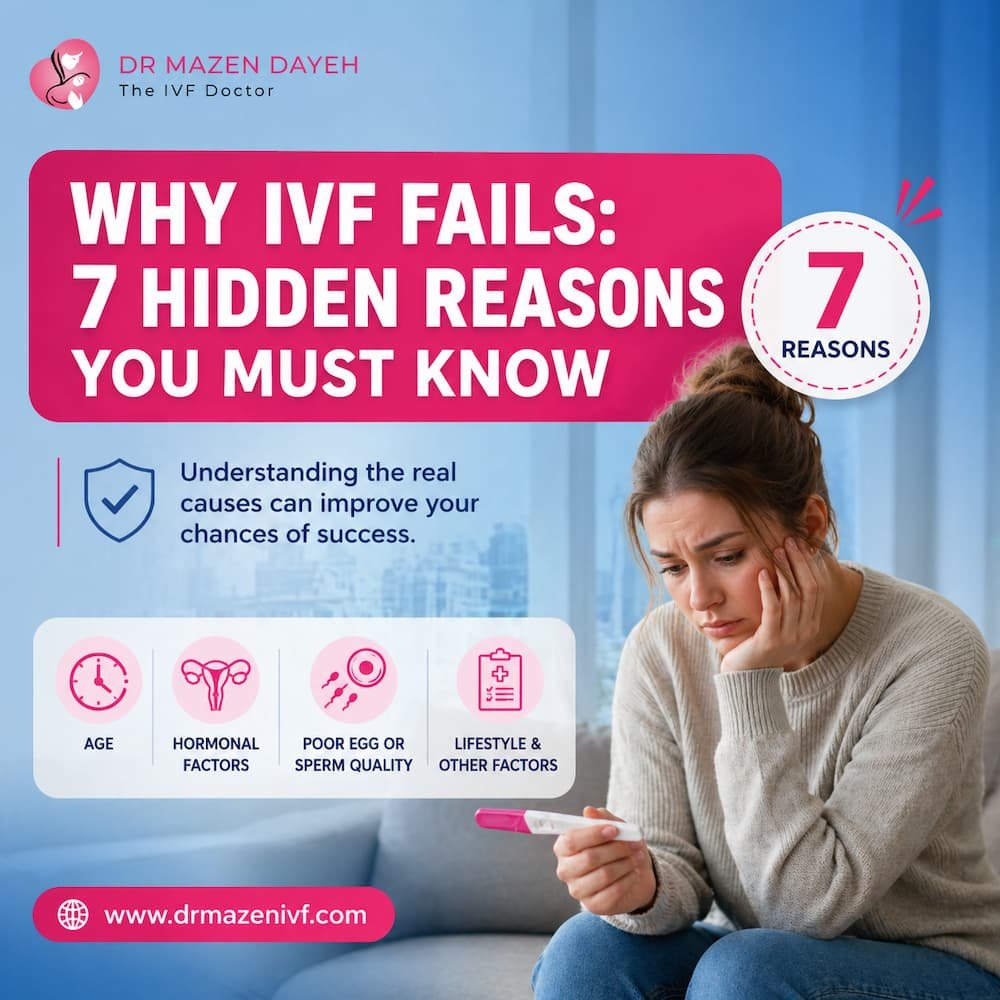
Let’s look at some of the less talked about reasons why IVF fails-
- Egg quality matters more than egg count
Many people think having more eggs means better chances. That is not always true. What really matters is the quality of the eggs. Healthy eggs have a better chance of getting fertilized and growing into strong embryos.
As a woman’s age increases, egg quality naturally drops. Even younger women can sometimes have poor egg quality due to other health factors. When eggs are not healthy, embryos may not form properly or may stop growing after a few days.
- Sperm issues are often underestimated
It is easy to assume the problem is only on one side, but fertility is a shared factor. Sperm health plays a very big role in IVF success. If the sperm is weak, slow, or not shaped properly, it may not fertilize the egg in the right way.
Even when fertilization happens, poor sperm quality can lead to embryos that do not develop well. This is one of the common but less discussed reasons why IVF fails.
- Embryos may look normal but still have problems
In many cases, embryos look healthy under the microscope. Doctors select the best ones for transfer based on appearance. But looks can be misleading.
Some embryos carry genetic issues that cannot be seen easily. These embryos may fail to attach to the uterus or may stop developing soon after. This can be very frustrating because everything may seem perfect during the process.
ALSO Read: What Is a Good Number of Embryos for IVF?
- The uterus might not be ready
For a pregnancy to begin, the embryo needs to attach to the lining of the uterus. If the lining is too thin or not in the right condition, implantation may not happen.
There can also be small issues like fibroids, polyps, or mild infections that are not always noticed right away. Even a slight problem in the uterus can reduce the chances of success.
- Hormones need to be in balance
Hormones control almost every step of IVF. They help eggs grow, prepare the uterus, and support early pregnancy. If hormone levels are not right, the body may not respond properly to treatment.
Sometimes the body does not react well to the medications used during IVF. In other cases, hormone levels may fluctuate at the wrong time. This imbalance can affect both egg development and implantation.
- Daily habits can quietly affect results
Lifestyle is something many people overlook. Simple habits can have a strong impact on IVF outcomes. Smoking, alcohol use, unhealthy eating, and poor sleep can all reduce fertility.
Stress is another important factor. While it may not directly cause failure, long term stress can affect hormone balance and overall health. Being underweight or overweight can also create problems during treatment.
Small improvements in daily routine can make a real difference over time.
- Timing and treatment plan may not be perfect
IVF is a step by step process where timing is very important. Medicines need to be given at the right dose and at the right time. Egg retrieval and embryo transfer also need to be carefully planned.
Not every treatment plan works the same for every person. Sometimes the first cycle is more of a learning experience for the doctor to understand how your body responds. If the timing or protocol is slightly off, it can affect the final outcome.
What happens after a failed IVF cycle?
It can be devastating for many couples to experience a failed IVF attempt. However, it should be realised that failure doesn’t necessarily indicate that there is anything severely wrong.
It is common for doctors to analyse the full IVF process and see whether there are any reasons for its failure. It may be recommended that patients have further tests conducted to check their eggs or sperm quality, as well as the health of the womb. In some cases, genetic analysis of embryos can also be recommended.
It can be necessary to change the course of action, which might include medication, timing, or adopting new habits prior to another attempt.
At Dr Mazen IVF Clinic, a different strategy is applied when failure occurs in the first cycle. It can help improve the prospects for future procedures.
Final thoughts
IVF is a process that takes time and requires patience as well as strength. There is no simple explanation of the failure, as everyone is unique. In most cases, it consists of numerous smaller issues.
Knowing all those underlying reasons enables you to understand the situation better and prepare for it. This way, you will be able to speak with your doctor more easily and with confidence.
It is worth noting that even though the initial attempt may fail, couples often do conceive with their second attempt. Given the proper assistance and advice, the possibility of conceiving may increase every time.
Next Read:
- What Is the Best Age to Try IVF?
- IVF After 35 or 40 in Dubai: Chances, Risks & Alternatives
- Who Needs IVF? Signs, Conditions, and When to Consider It
- Dubai IVF Cost: A Complete Pricing Guide
- Learn More About Success Rate of IVF in Dubai?
FAQs:
1. Why does IVF fail the first time?
IVF can fail on the first attempt due to factors like poor egg or sperm quality, embryo abnormalities, uterine issues, or improper timing during the cycle. In many cases, the first cycle helps doctors understand how the body responds to treatment.
2. How common is IVF failure?
IVF failure is relatively common. Success rates depend on factors like age, health, and clinic expertise. On average, success rates range between 30% to 50% per cycle for younger women, and may decrease with age.
3. Can poor egg quality cause IVF failure?
Yes, poor egg quality is one of the leading reasons for IVF failure. Even if multiple eggs are retrieved, only healthy eggs can develop into viable embryos.
4. Does sperm quality affect IVF success?
Absolutely. Sperm quality plays a major role in fertilization and embryo development. Poor sperm health can lead to weak embryos or failed implantation.
5. How many IVF cycles does it usually take to get pregnant?
Many couples may need 2–3 IVF cycles to achieve pregnancy. Success chances often improve in later cycles as doctors adjust the treatment plan based on previous outcomes.
6. Can stress cause IVF failure?
Stress alone may not directly cause IVF failure, but chronic stress can affect hormone balance and overall health, which may indirectly impact success rates.
7. What should I do after a failed IVF cycle?
After a failed cycle, doctors usually review the entire process, recommend additional tests, and adjust the treatment plan. Lifestyle changes and emotional support are also important before trying again.
8. Can lifestyle habits affect IVF success?
Yes, habits like smoking, alcohol consumption, poor diet, lack of sleep, and unhealthy weight can negatively impact IVF outcomes.
9. Is it possible to get pregnant naturally after IVF failure?
Yes, in some cases couples do conceive naturally after IVF failure, especially if underlying issues are mild or temporary.
10. When should I try IVF again after a failed cycle?
Doctors typically recommend waiting for one full menstrual cycle before starting again, but the exact timing depends on individual health and recovery.


